



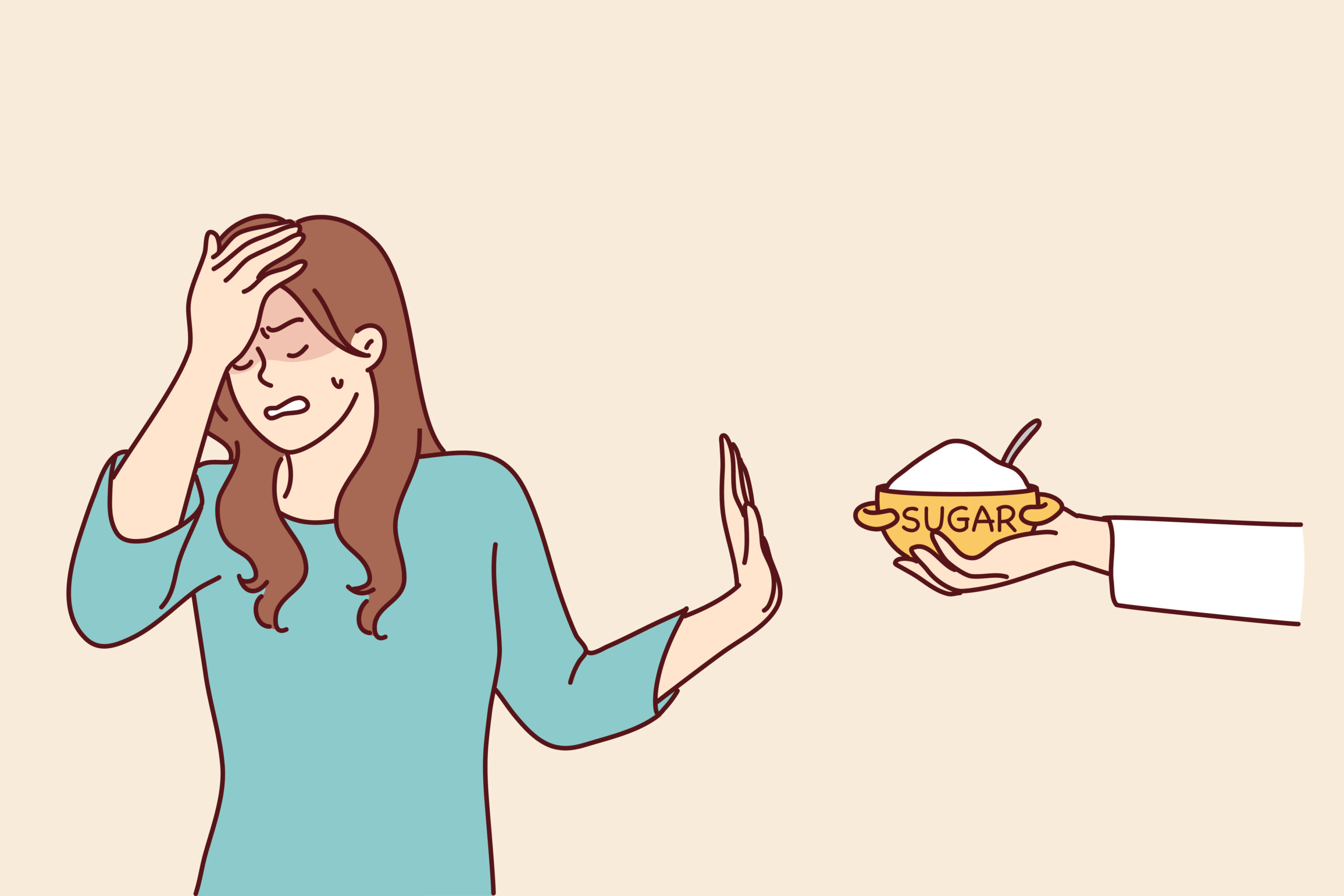
Sugar has become everyone's favorite villain. It's blamed for everything from weight gain to mood swings, and wellness culture treats it as if it’s the the root of all evil. We're constantly being told to replace it with kale, chia seeds, or something that tastes faintly like cardboard. But here's the thing! When we're heartbroken, stressed, or just drained, it's not broccoli we turn to. It's something sweet. Because whether we like it or not, sugar has a way of comforting us when nothing else can.
The Psychology Behind Sweetness
From the moment we're born, our brains are wired to find sweetness reassuring. Babies stop crying when given something sweet; it signals safety, warmth, and comfort. This association follows us into adulthood. When we're anxious or sad, sugar triggers dopamine and serotonin. These are the chemicals that make us “feel good” and help regulate our mood. That's why a piece of chocolate can feel like a small emotional reset.
Comfort Food Is Human; Yes Surprise! It’s Normal
We have been socialized to believe that turning to food for comfort is a sign of weakness, but such behavior is, actually, only human. Food has always been emotional: we bake for those we love, share desserts when celebrating something, let’s take our birthdays as an example! What’s a good birthday without a cake? Most importantly, we use sweet things to show we care. A cookie can hold in its nostalgia; a slice of cheesecake can be connection. Sugar is part of joy, tradition, culture, and healing. Well, as long as it’s not in excess!
The Real Problem Isn't Sugar! It's Extremes
The problem starts when sugar becomes either a crutch or a crime. Completely cutting it out can make eating feel restrictive and joyless, while relying on it for every bad day can turn comfort into dependency. The key is in the balance. You can have that rare dessert without shame, just as you can enjoy a salad without patting yourself on the back. Emotional comfort shouldn't come only from food, that isn’t healthy, but it's okay if it sometimes does, its neither a crime.
The Science of Balance
While sugar can provide comfort, that comfort is short-lived. In fact, excess sugar may lower your mood over time by disturbing energy and sleep. That's why it's so essential to accompany emotional awareness with healthy coping tools: talking over your feelings, moving your body, or just resting when you need to. Just like a quick walk can ease anxiety or talking to someone can lift your spirits. Sugar will cheer you up, but lasting peace comes from habits that support you consistently.
A Gentle Middle Ground
We need neither the glorification nor the demonization of sugar. It's okay to love dessert. It's okay to find comfort in a milkshake after a long day. And it's okay to crave balance the next morning with something wholesome. Food doesn't have to be a battle; it can simply be a reflection of how we're feeling at that moment. Because sometimes, sweetness helps us heal. And just because broccoli wasn't there for us when we were sad doesn't mean sugar has to carry all the weight either.

You must be logged in to post a comment.